
Angus projesi
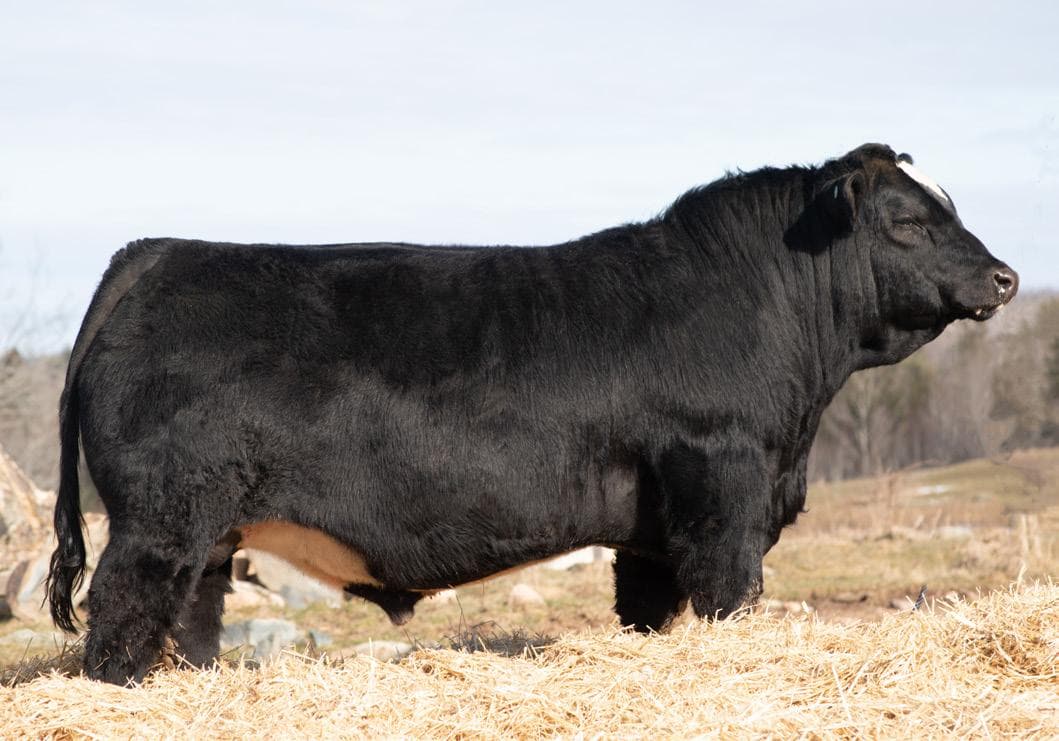
Ringing in 2026: Discovering Argentina's Unique Way to Pay Your Vet
When Daniel, Christine, and their friends welcomed 2026 in Argentina, they expected the usual travel surprises—new languages, unfamiliar foods, even toilets that flush in the opposite direction. But one difference caught them completely off guard: how ranchers pay their large animal veterinarians.
In the United States, veterinary fees are straightforward. You know what you'll pay for a checkup or a procedure, and so does your vet. Maybe you get a discount for having a herd, or pay a bit more if you're difficult, but the fee schedule is set.
Argentina, however, does things differently. With banking and finances often unpredictable, local producers feel the ups and downs of the agricultural cycle much more acutely. In tough times, cash is tight; in good times, it flows. To smooth out these swings, Argentine veterinary medicine has adopted a creative solution: fees are based on the daily market value of fat steers.
That's right—your vet bill is tied directly to cattle prices. When the market is lean, both ranchers and vets share the burden. When prices soar, vets are rewarded for riding out the tough times alongside their clients.
Sample Fee Schedule from an Argentine Vet
| Service | Cost (kg of fat steer) |
|---|---|
| Pregnancy check | 1 kg |
| C-section | 80 kg |
| Bleeding | 1 kg |
| TB test and reading | 2 kg |
| Timed AI sync and breeding | 6 kg |
| BSE (Breeding Soundness Exam) | 20 kg |
With a kilogram of fat steer currently valued at 4,100 pesos in Buenos Aires (about $1.28 per pound USD), today's prices would mean paying roughly $2.80 for a pregnancy check or $225 for a C-section.
This system keeps veterinarians and producers united in their push for fair cattle prices, and ensures that costs reflect the realities of the market.
Which would you prefer? The predictability of the U.S. system, or Argentina's flexible approach, where costs rise and fall with the market? Share your thoughts below!